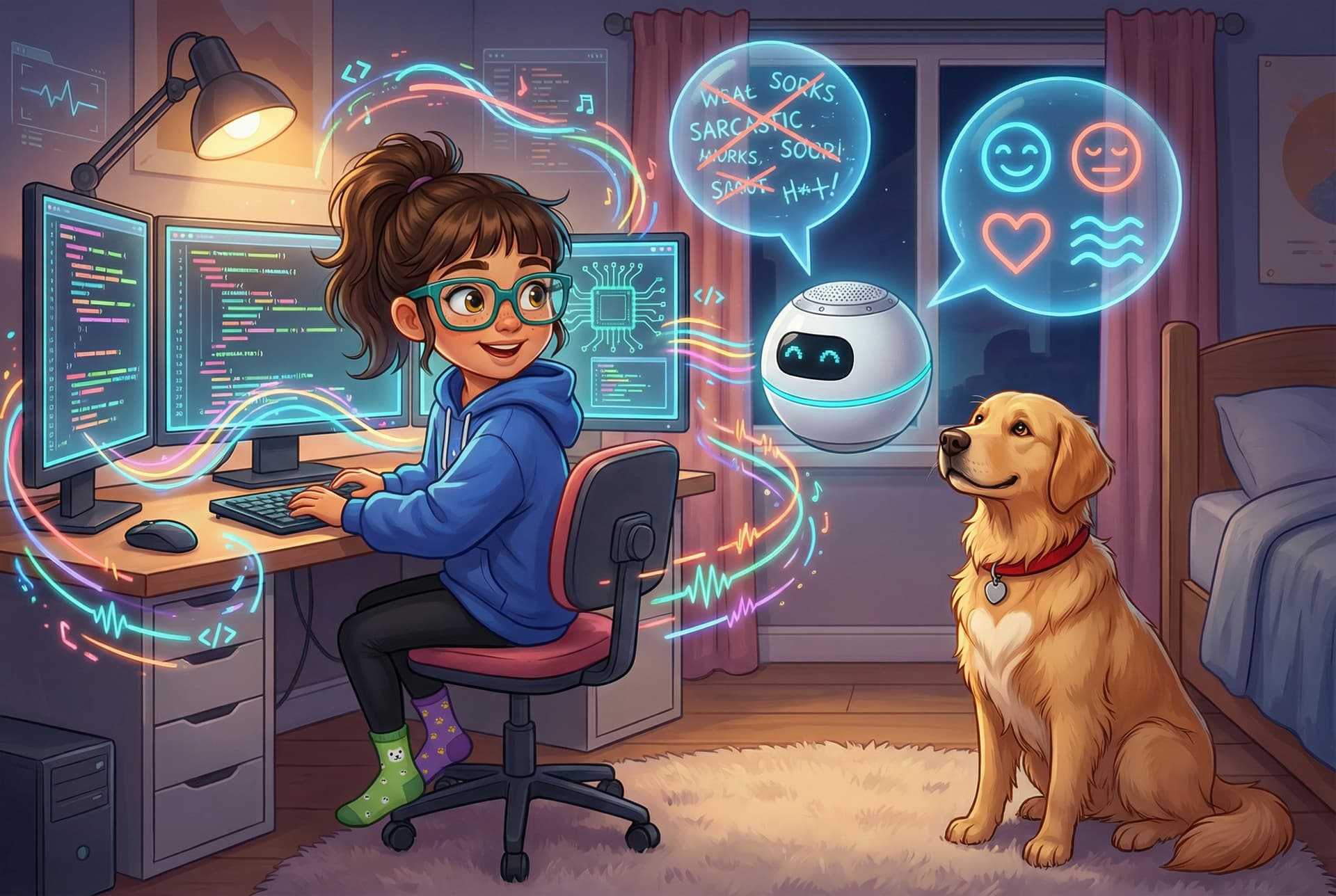

In the complex, high-energy world of the Tech Hub—or in Tasha’s case, the slightly messy corner of a bedroom in suburban Ohio—the First Law of Coding was absolute: If the code compiles on the first try, something is terribly, invisibly wrong. Tasha stared at her triple-monitor setup, waiting for the inevitable error message. It never came.
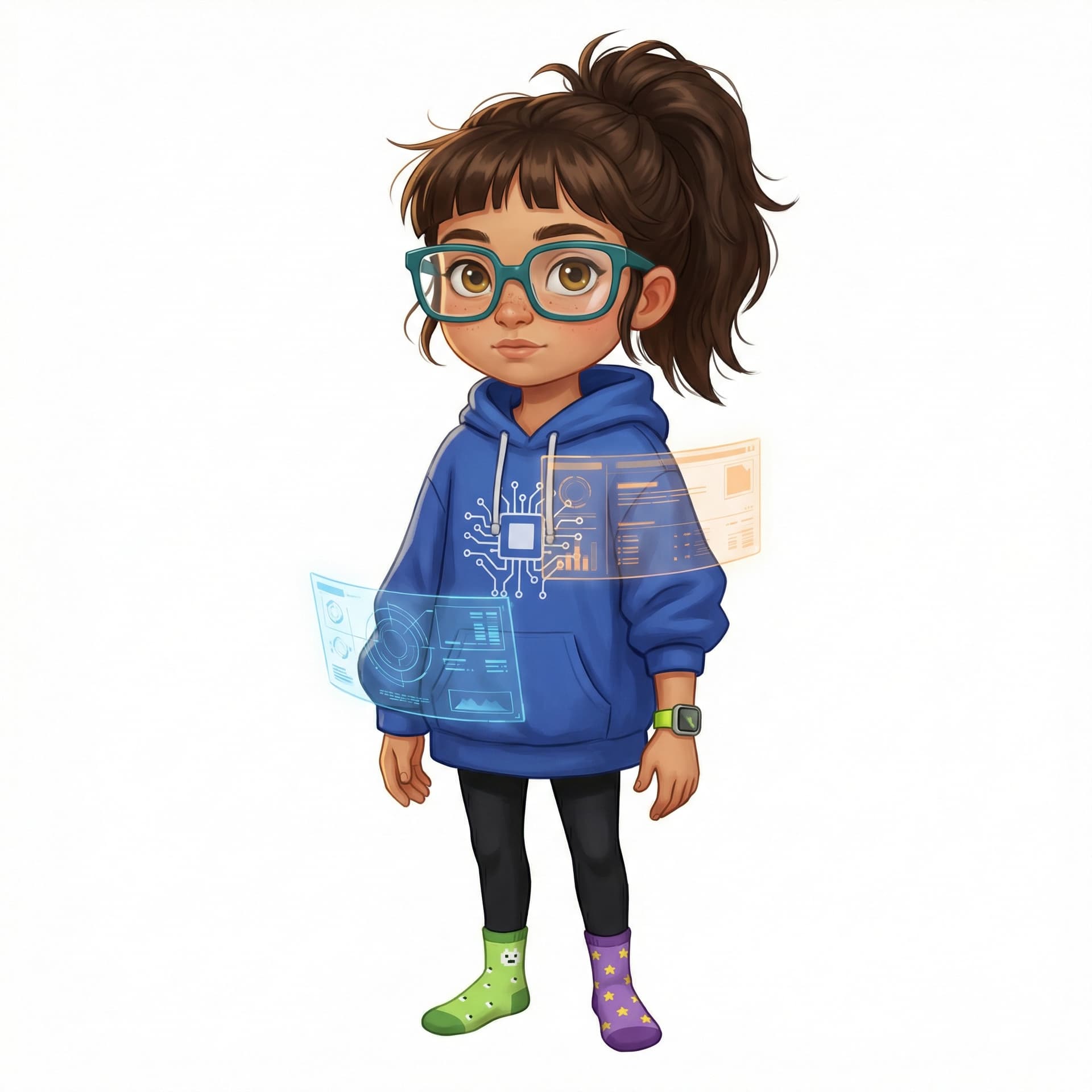
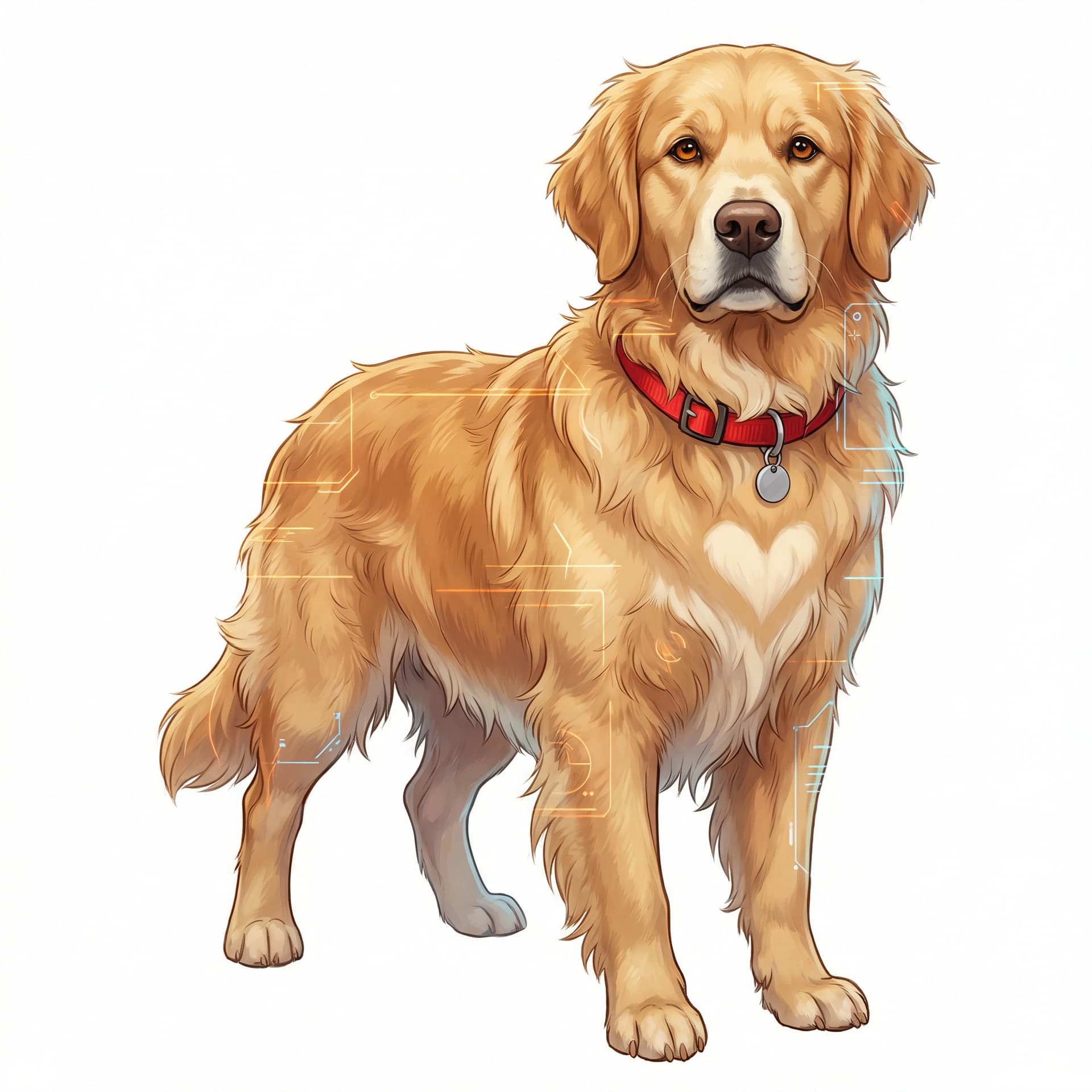
Her jagged lines of script, designed to interface with a proprietary neural network, hummed along in perfect silence. On the screen, a green progress bar reached one hundred percent. Tasha, an eleven-year-old with a messy ponytail and a keyboard missing the ‘Esc’ key, spun around in her chair. She looked at Barnaby, her Golden Retriever, who was currently asleep with his tongue lolling onto the carpet.
"It’s time, Barnaby," she whispered. "We’re going live."
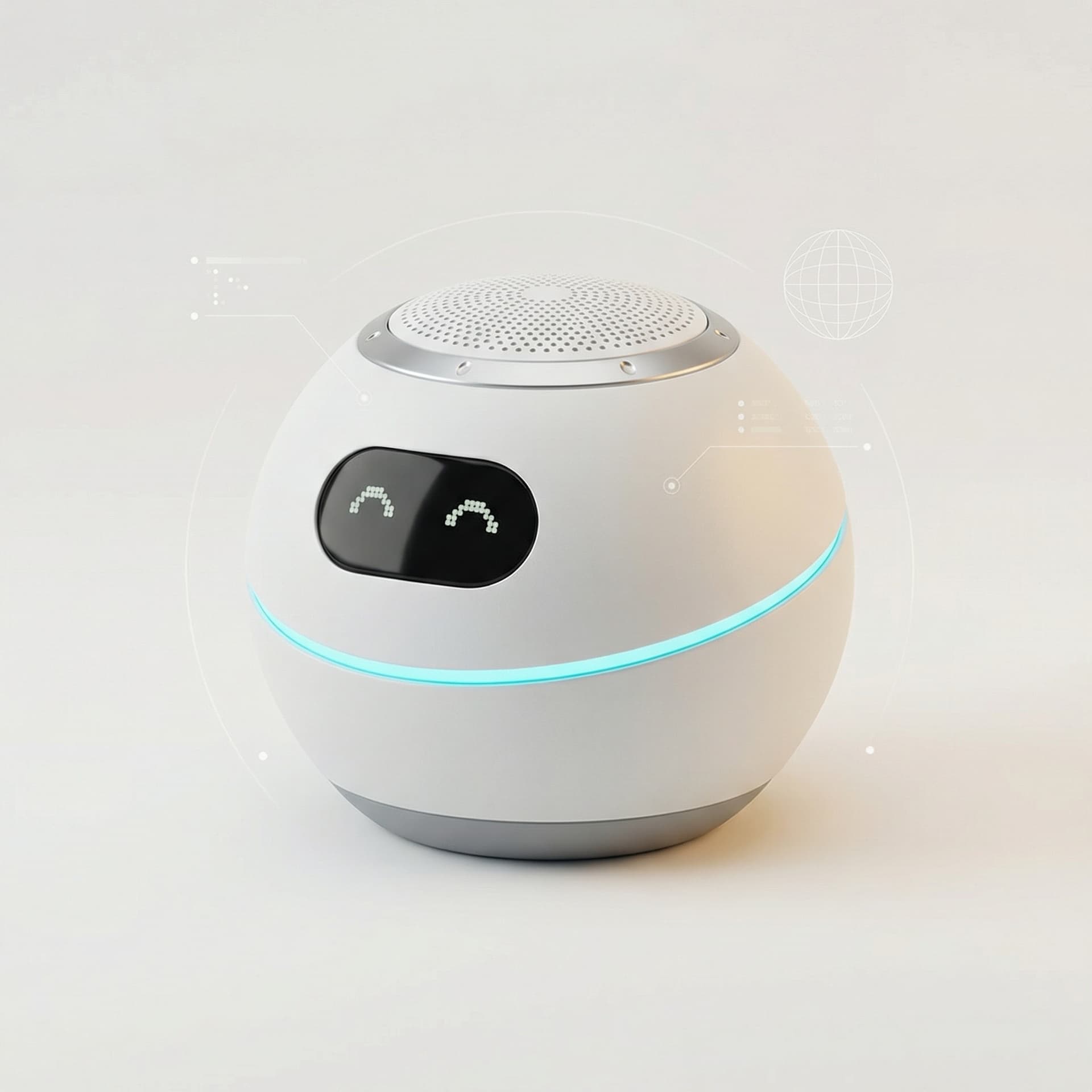
Tasha logged into Product Hunt. She had spent six months training her AI, which she named 'RosettaBark.' The premise was simple yet scientifically groundbreaking: using machine learning to analyze the micro-tonal variations in animal vocalizations and translate them into human speech. It wasn't just a mood ring for pets; it was a linguistic bridge. She typed in her tagline—*Finally, hear what they have to say*—and hit the coral-colored 'Submit' button.
The reaction wasn't immediate. The internet, like a sleeping dragon, took a moment to stir. Tasha refreshed the page. Three upvotes. She refreshed again. Ten. She went downstairs to grab a juice box, and when she returned, the number had jumped to four hundred. Notifications were cascading down her screen like digital rain. The comments section was a blur of excitement.
"Does this work on hamsters?"
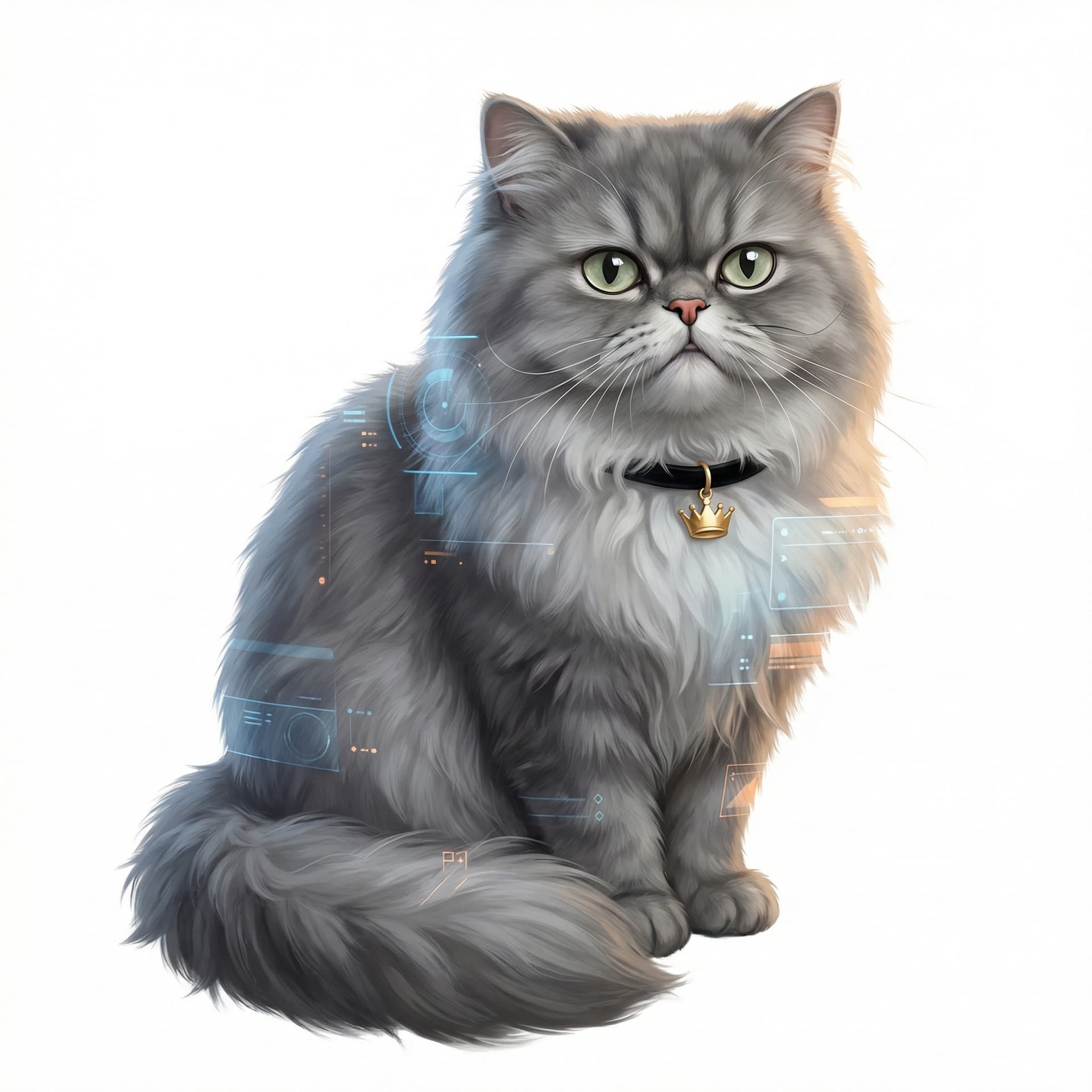
"My cat glares at me, and I need to know why!"
"Invest immediately!"
Within three hours, RosettaBark was the Number One Product of the Day. Tech blogs were running headlines: *Kid Coder Cracks the Animal Code.* By dinner time, the server costs were eating her entire allowance for the next decade, but the app was a global phenomenon.