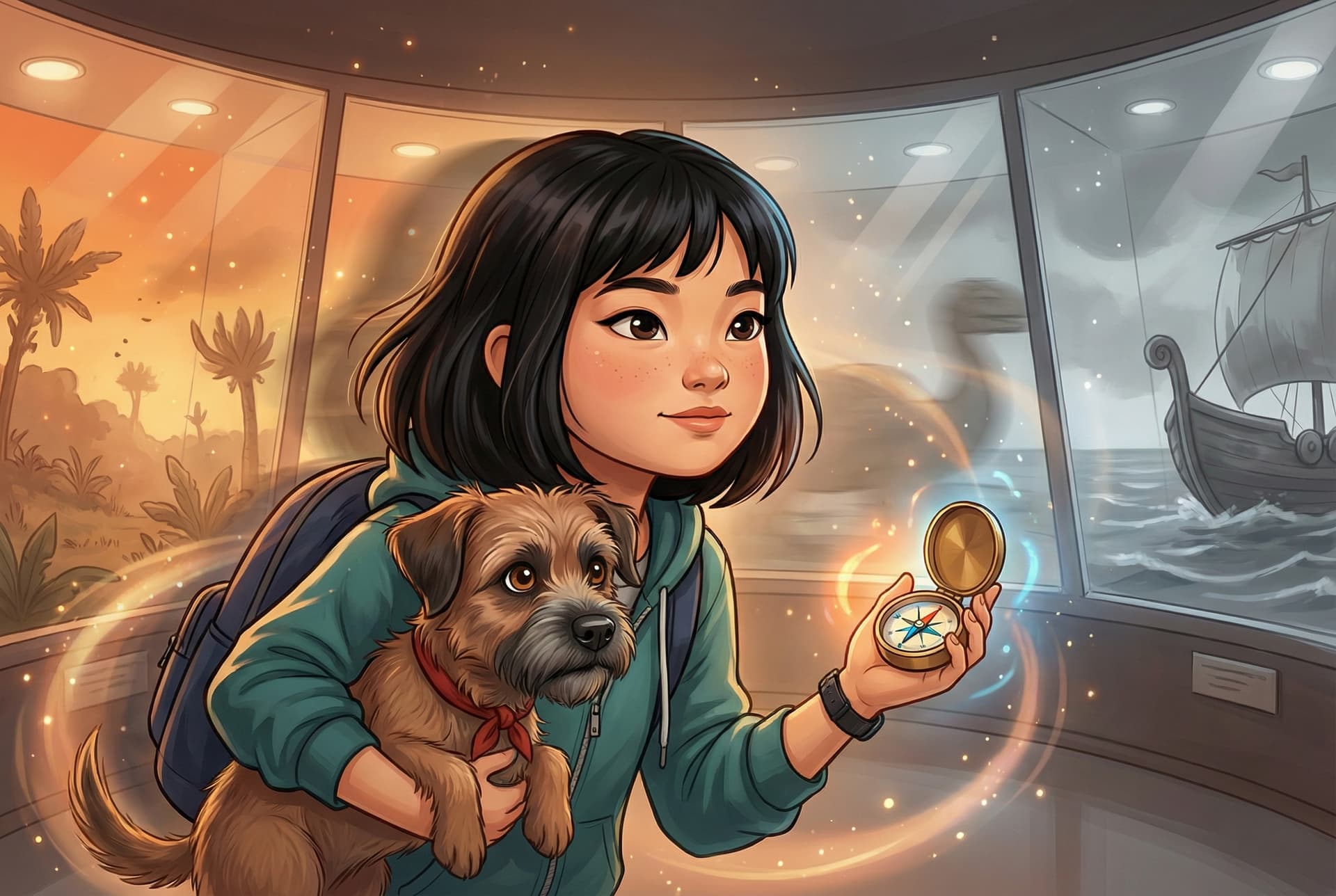
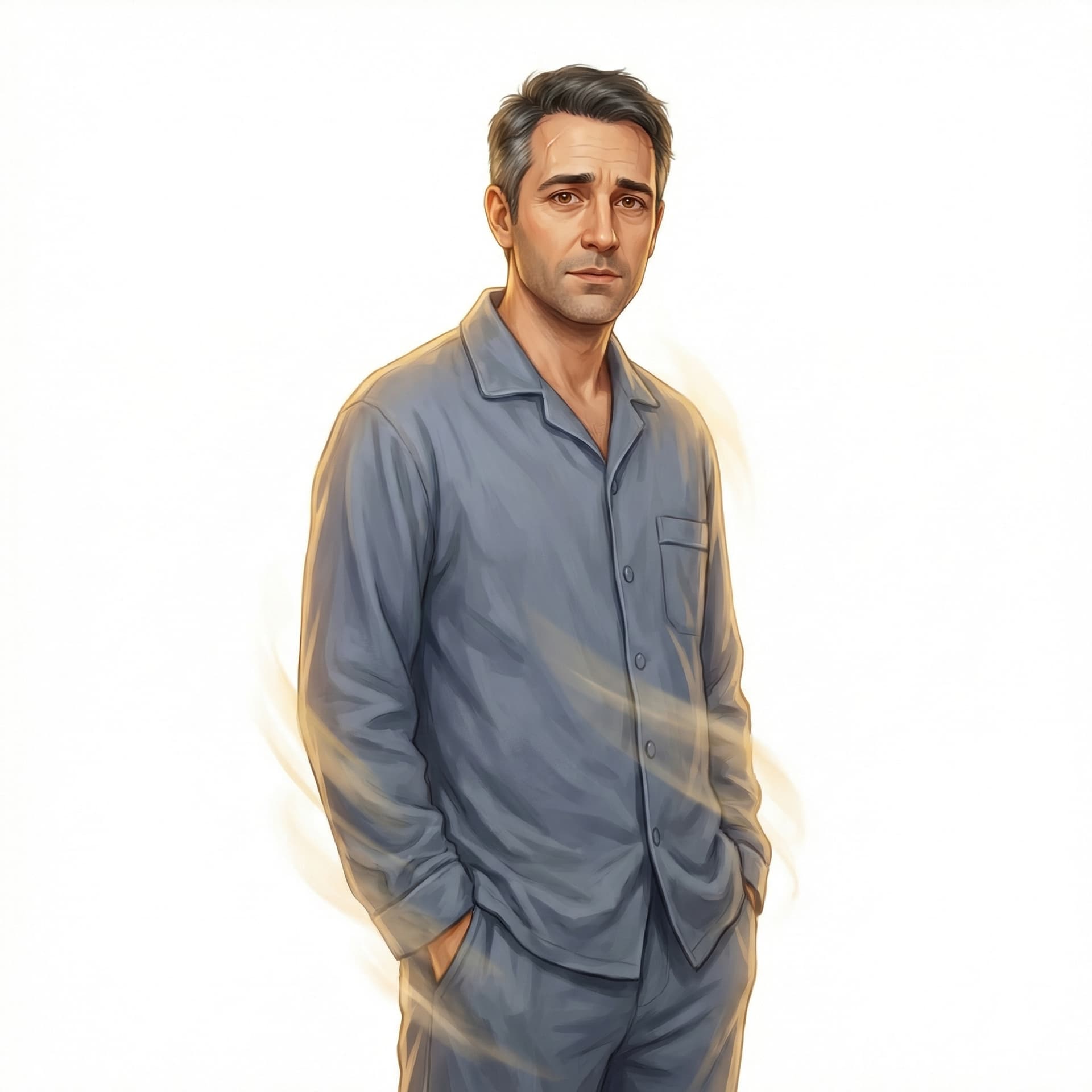
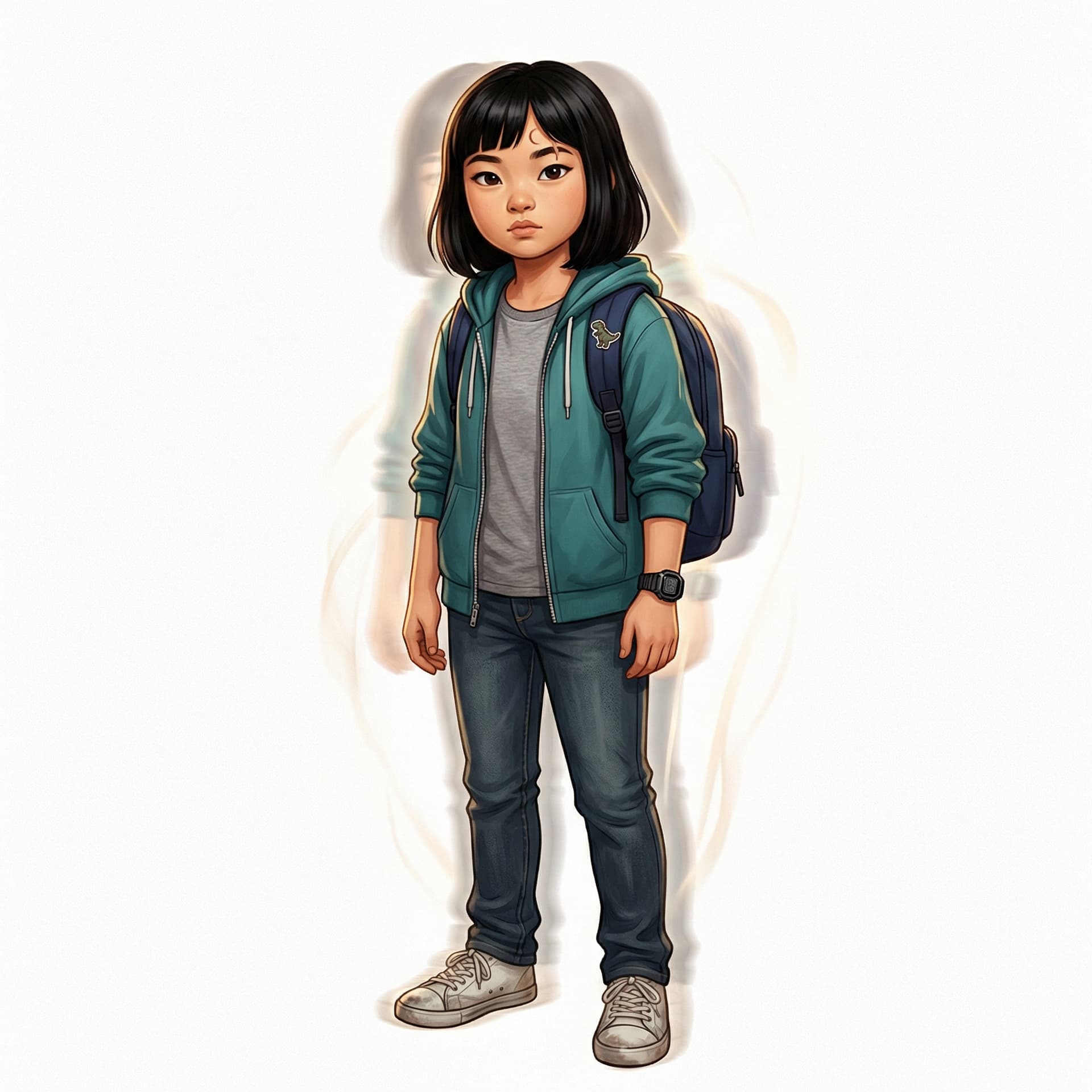
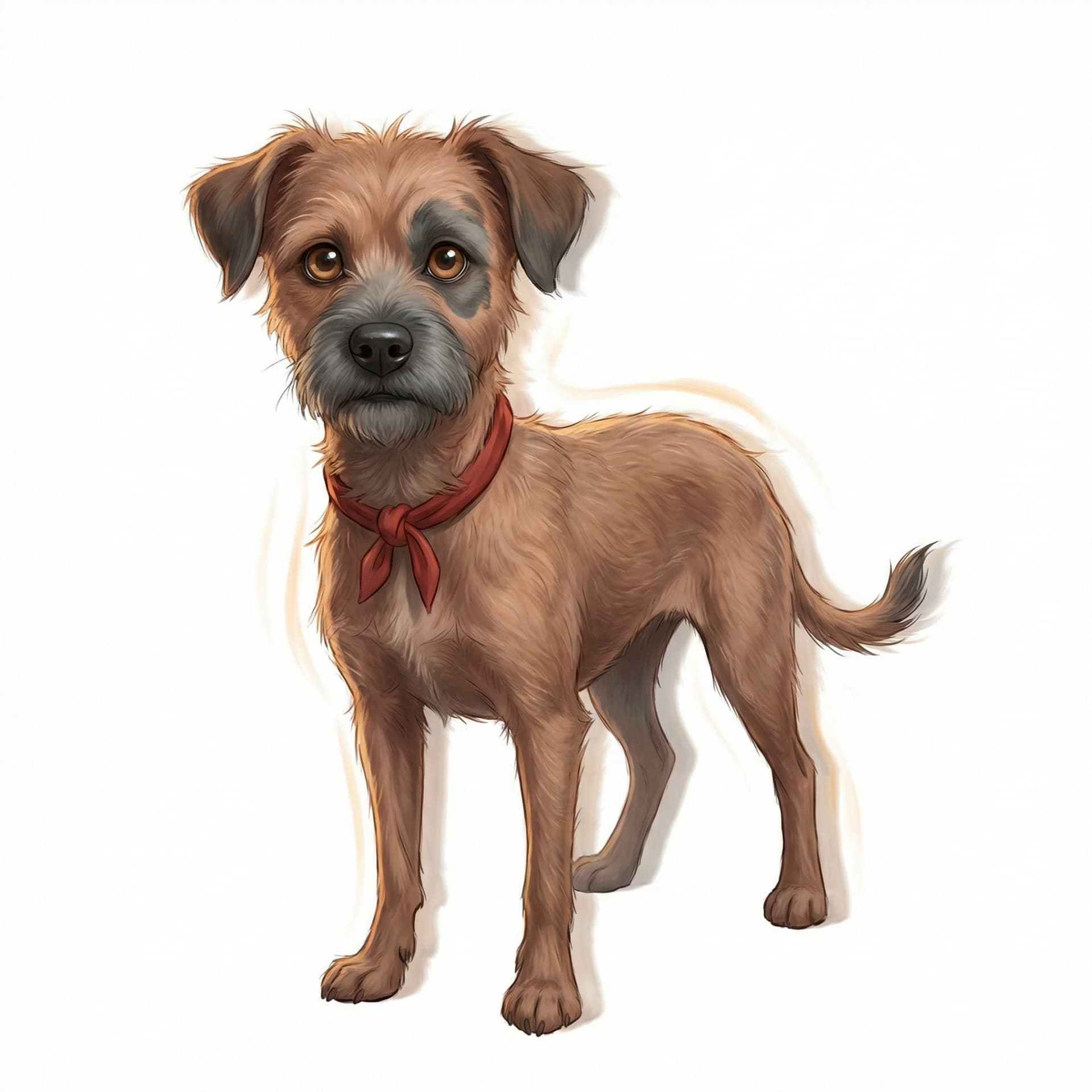
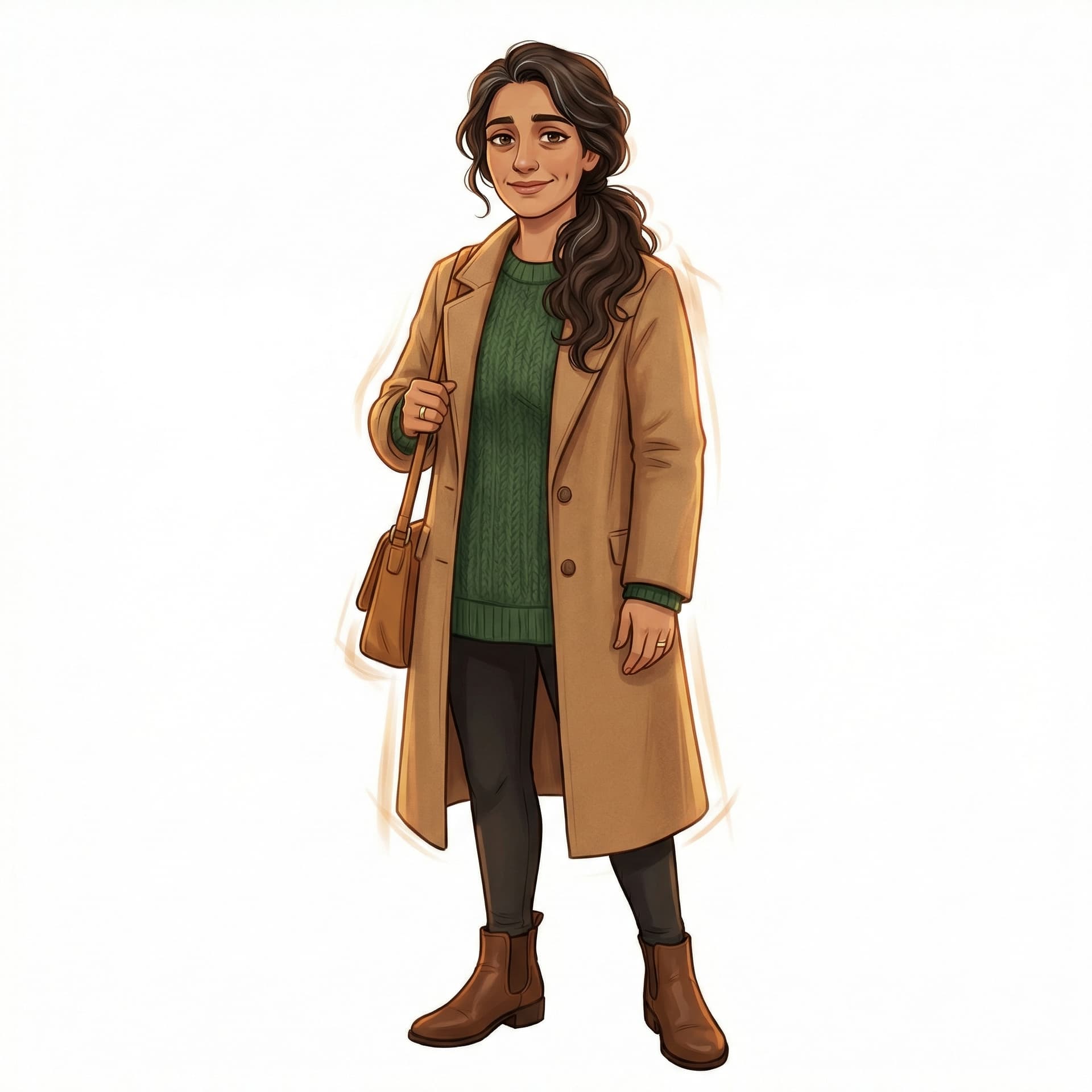
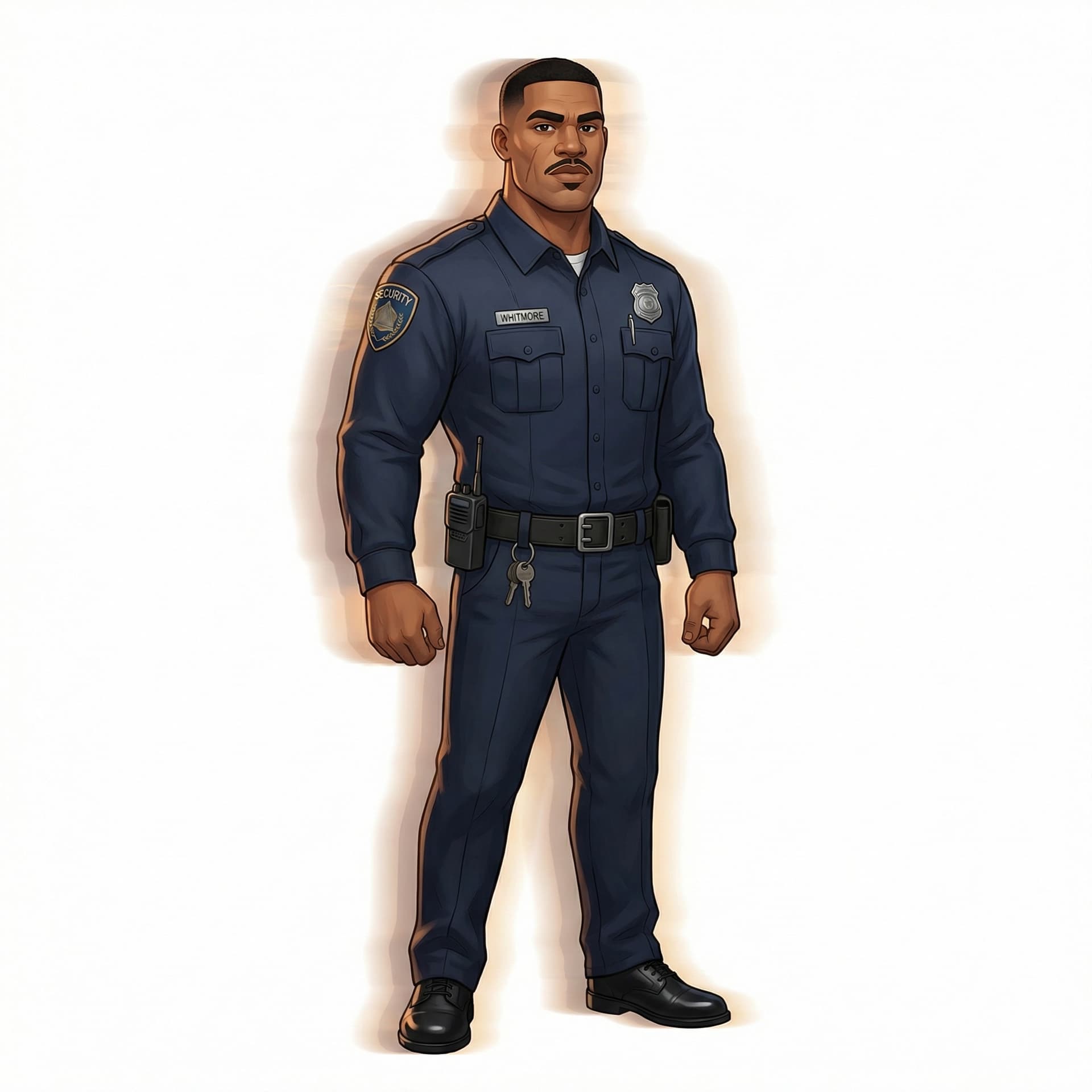
The smell hits her first—dust, old paper, and something metallic, like pennies left in a pocket.
Georgia Chen stands in the lobby of the Whitmore Museum of Natural History, watching her class scatter toward the dinosaur wing. She doesn't follow. She never follows crowds anymore. Not since the accident.
Her fingers brush the empty pocket of her backpack, missing the heavy warmth of her father's old compass. He gave it to her before everything changed. Before he stopped recognizing her face.
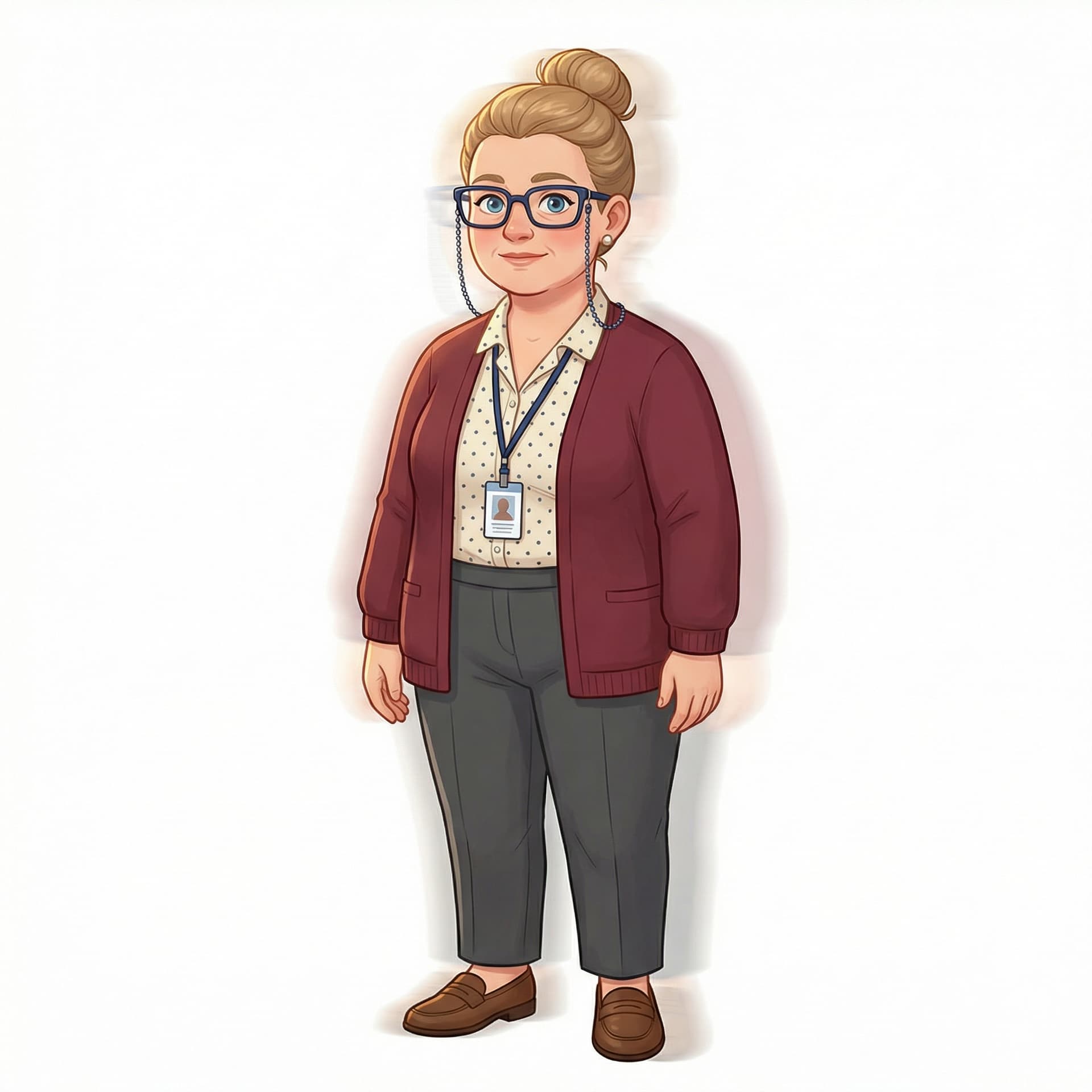
"Georgia!" Mrs. Patterson calls. "Stay with the group!"
"Coming," Georgia says, but her feet move toward a different corridor. A sign reads "Artifacts of the Ancient World" in faded gold letters. The hallway stretches long and quiet, lit by buzzing fluorescent lights that flicker like tired eyes.
She tells herself the same lie she always tells herself: *You're fine alone. You don't need anyone.*
The lie sits comfortably now, worn smooth from repetition. After the car accident that injured her father's brain, after watching her mother crumble, and after her friends stopped knowing what to say—being alone became easier. Safer. People leave. People forget. Objects don't.
A glass case catches her attention. Inside sits a clay oil lamp, its surface cracked and brown with age. The placard reads: "Roman Oil Lamp, circa 79 AD. Discovered in Pompeii."
Georgia leans closer. Her breath fogs the glass.
She doesn't mean to touch it. Her hand simply moves, pressing against the case, and the glass isn't there anymore—it's smoke, it's nothing—and her palm connects with ancient clay.
The world tears.
Colors blur. Sound compresses into a single high note. Georgia feels herself pulled like taffy through a tunnel of static, and then—
Heat. Sulfur. Screaming.
She stands on a cobblestone street. The sky glows orange. Ash falls like snow.
Pompeii. She's in Pompeii.